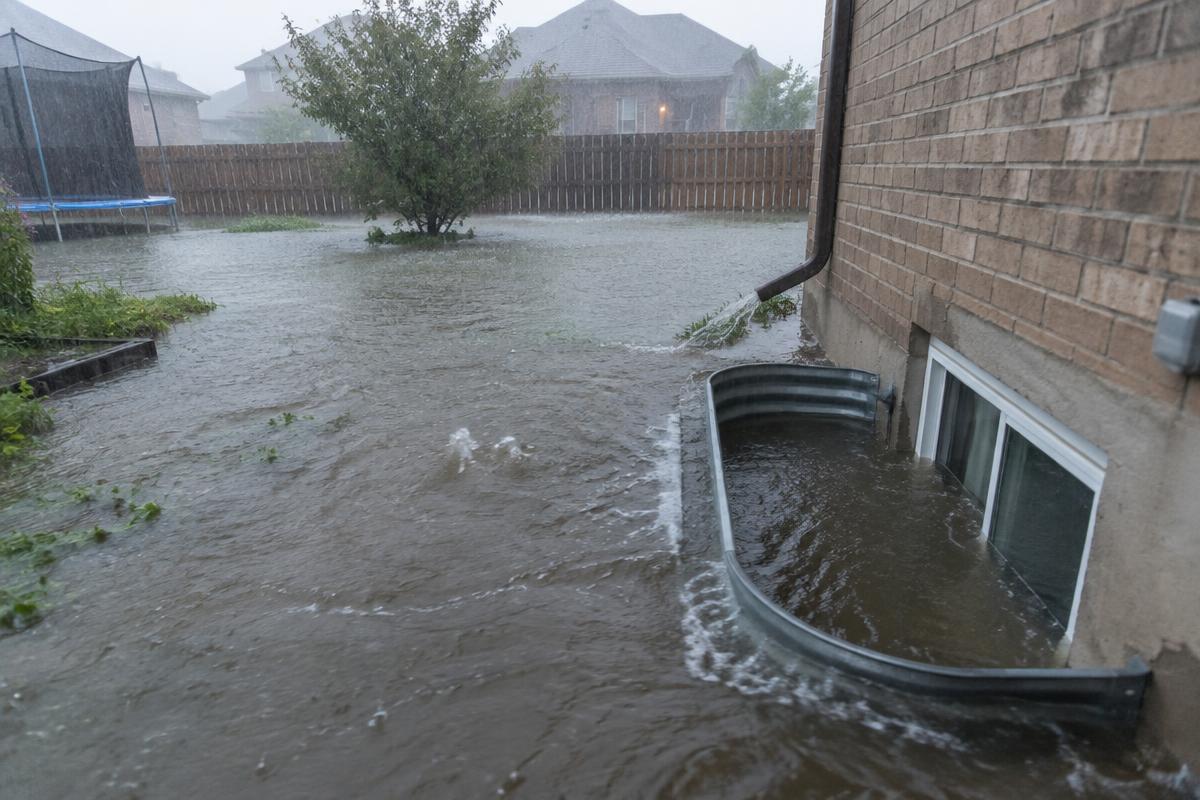
Sewage backups bring contaminated water into your property, usually through basement floor drains, toilets or tubs. This water can carry bacteria and other pathogens, so cleanup needs to be handled with protective equipment and proper procedures.
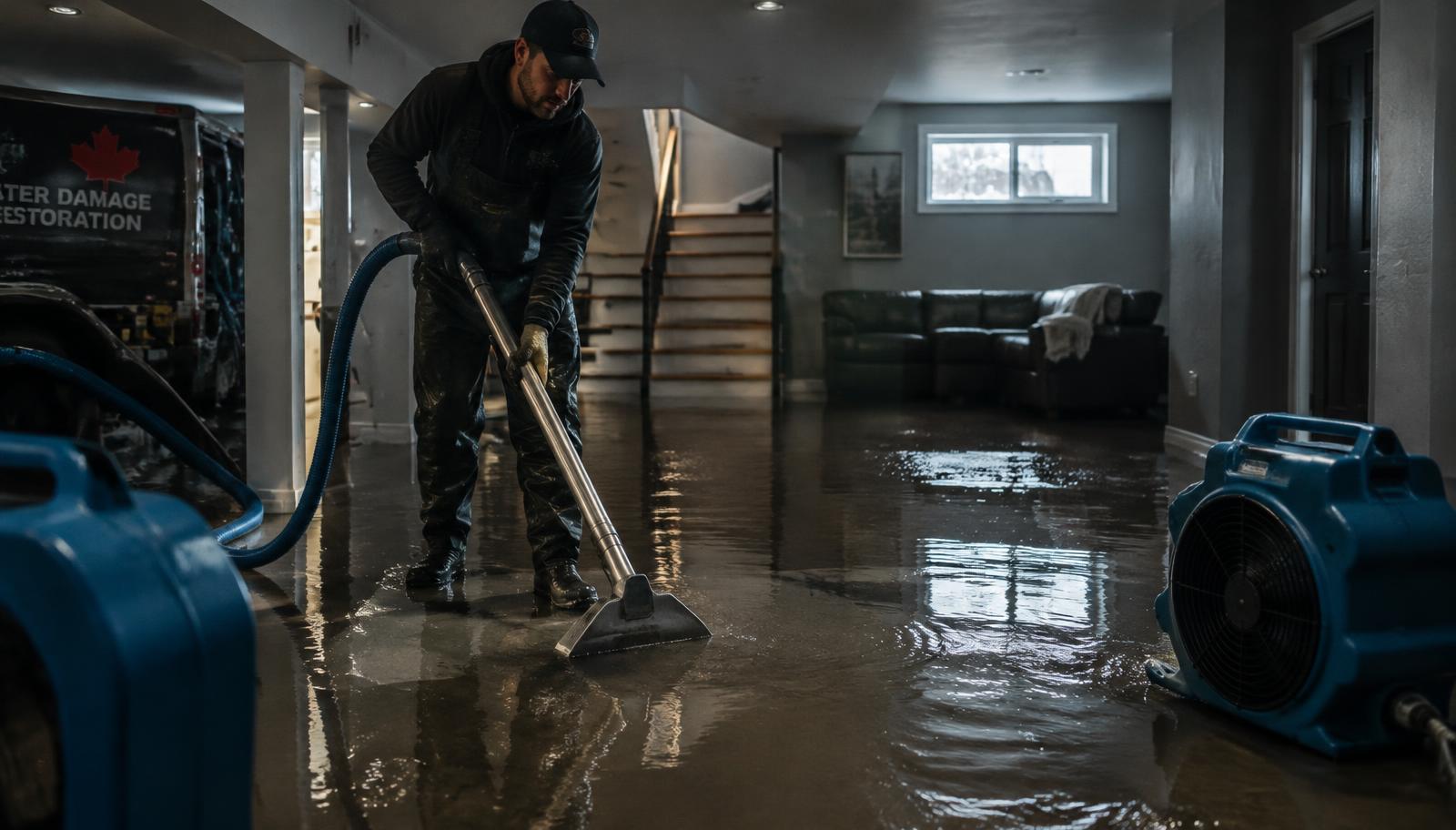
We remove the contaminated water, take out affected porous materials, clean and disinfect surfaces, and dry the area.
Common causes of sewer backups
- Municipal sewer surcharge during heavy rainfall
- Tree roots in the sewer lateral
- Grease, wipes and debris blocking drains
- Collapsed or deteriorated sewer pipes
- Missing or malfunctioning backwater valve
How the process works
- 1
Containment
The affected area is isolated to limit spread of contamination.
- 2
Removal
Sewage and contaminated water are extracted.
- 3
Material disposal
Porous materials affected by sewage, such as carpet and drywall, are typically removed.
- 4
Cleaning and disinfection
Hard surfaces are cleaned and disinfected.
- 5
Drying
The area is dried and moisture levels are confirmed.
Safety information
- Avoid contact with sewage. Keep children, pets and anyone with a weakened immune system away.
- Do not use plumbing fixtures until the blockage is cleared.
- Wash hands thoroughly if you come into contact with affected water or items.
Serving Kitchener properties
During severe storms, parts of Kitchener's sewer system can become overloaded, and older homes without backwater valves may experience backups through floor drains. The City of Kitchener has information on backwater valves and lateral responsibilities for homeowners.
Have questions or need help now? Contact us, explore all our services, or return to the homepage.