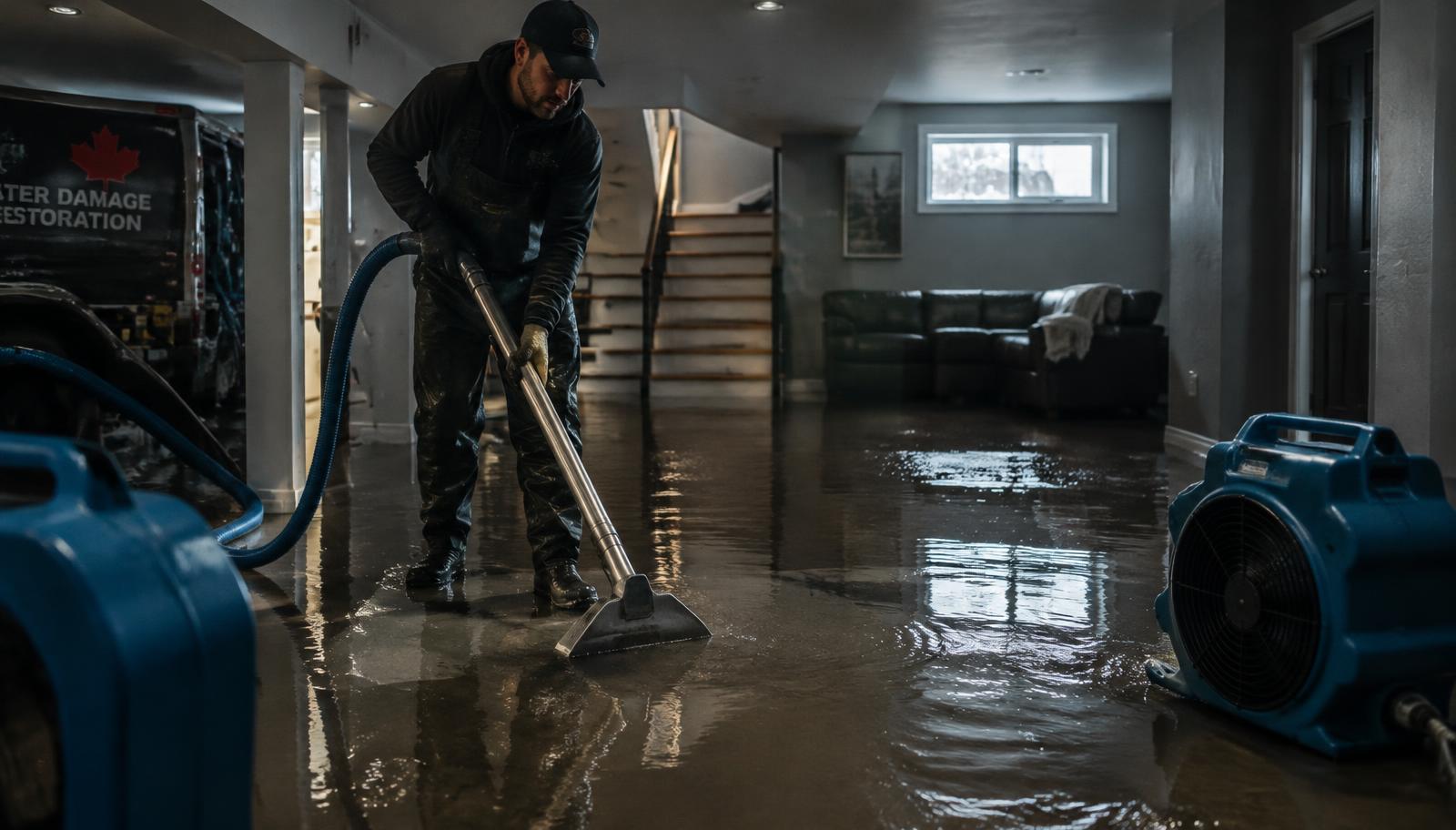
Flooding brings water from outside into your property, and that water often carries soil, debris and contaminants. Cleanup after a flood needs more care than a clean-water leak because affected materials may need to be cleaned, disinfected or removed.
Water Damage Kitchener helps homeowners and businesses remove floodwater, clear out damaged materials and dry the structure so the property can be put back in order.
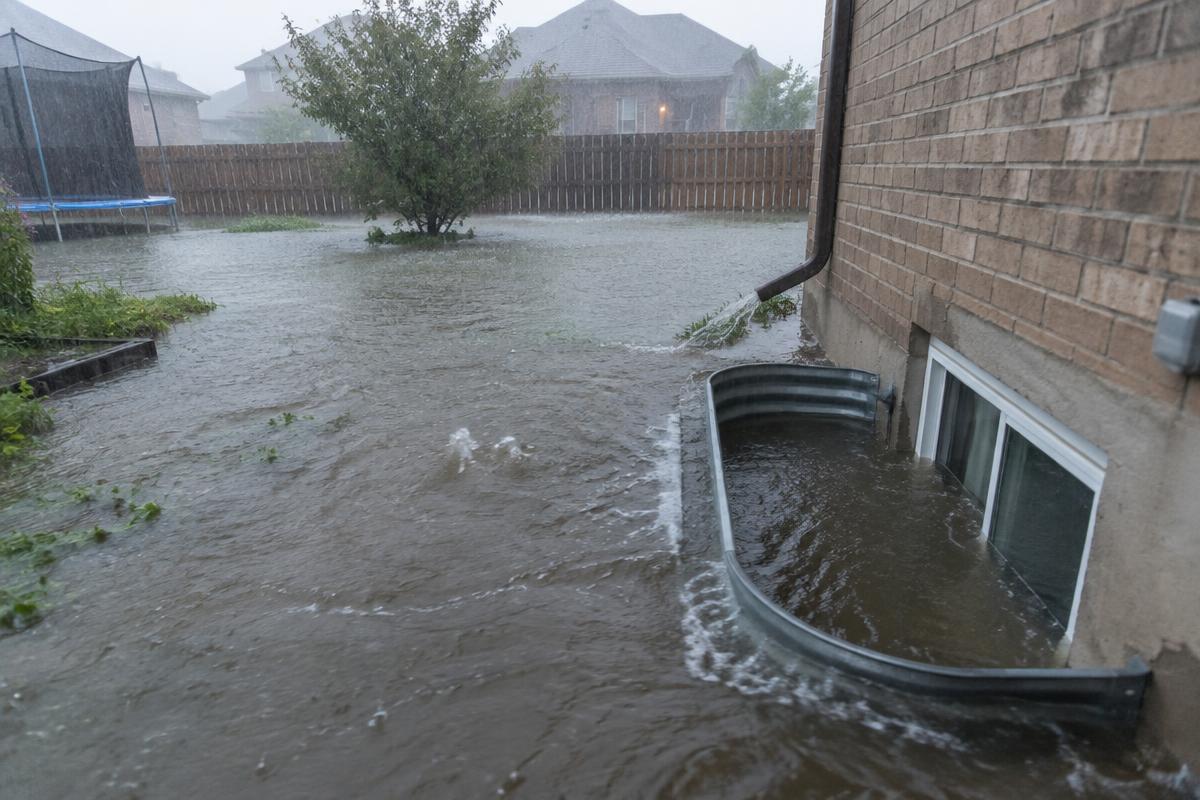
Typical sources of flooding in Kitchener
- Intense summer thunderstorms overwhelming storm sewers
- Spring snowmelt and saturated ground around foundations
- Overflowing eavestroughs and poorly graded yards
- Failed sump pumps or tripped power during storms
- Window wells filling with water
How the process works
- 1
Safety check
Electrical hazards and water contamination are considered before work begins.
- 2
Floodwater removal
Water, mud and debris are extracted from the affected areas.
- 3
Material removal
Porous items that absorbed contaminated water, such as carpet pad and insulation, may need to be removed.
- 4
Cleaning
Hard surfaces are cleaned and treated appropriate to the water type.
- 5
Drying
The structure is dried and monitored until moisture readings are acceptable.
Safety information
- Treat floodwater from outside as contaminated and avoid skin contact.
- Never enter a flooded basement if the power is on and water may reach outlets or the panel.
- Discard food, medicine and cosmetics that came into contact with floodwater.
Serving Kitchener properties
Kitchener sits in the Grand River watershed, and much of the city is built on soils that hold water during long rainy periods. Low-lying lots and homes with older weeping tile systems tend to be most affected.
Have questions or need help now? Contact us, explore all our services, or return to the homepage.